
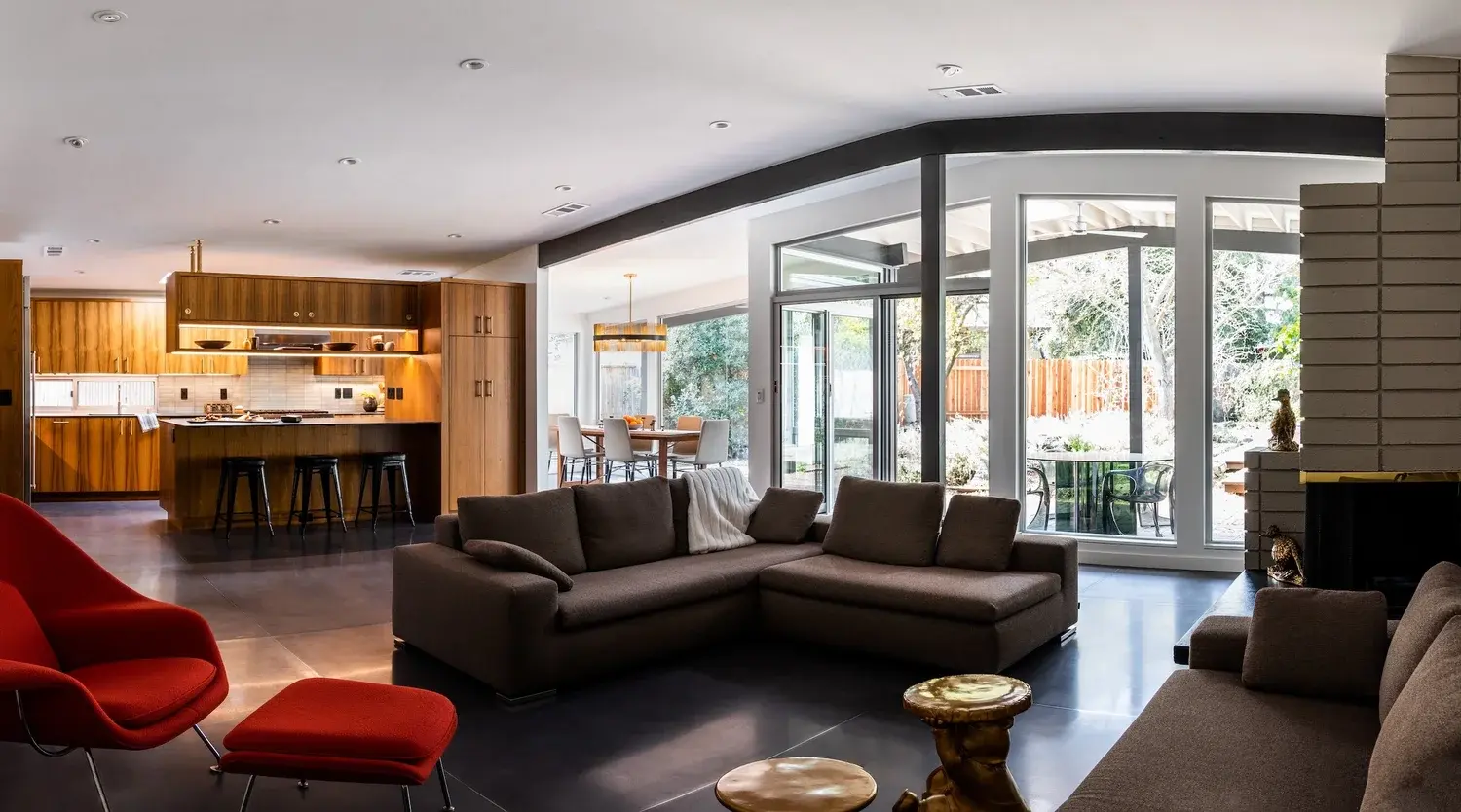
How Long Does a Design-Build Home Remodel Take in Sacramento, CA?

One of the first questions that comes up in a remodel conversation is timing. Usually, when homeowners ask how long a design-build remodel takes, they are asking about more than the construction itself. They want to understand the shape of the full process, from design and planning to permitting and the work on site, and what kind of timeline makes sense for the home they have in mind.

A kitchen, bathroom, primary suite, ADU, outdoor structure, or whole-home remodel can each unfold differently depending on the house, the scope of work, and how much change is being asked of the space. That is especially true in Davis and Sacramento, where older homes often bring their own quirks, constraints, and opportunities. In the sections below, we’ll look at timelines for the kinds of projects we see most often, what tends to shape those timelines, and what homeowners can expect along the way.

Table of Contents

What Affects the Timeline of a Design-Build Remodel?

A remodel is not simply measured by the weeks of construction. It is shaped by the depth of the vision, the complexity of the home, and the care required to make each decision well. Mak Design + Build uses every step of the journey to bring your vision to life.

The Scope of the Transformation

One of the biggest timeline factors is how much change the project asks of the home. A remodel that honors the existing layout will move differently than one that reimagines how rooms connect, relocates plumbing, opens walls, or introduces structural work.

The more a project transforms the way a home lives, the more time it deserves in design, planning, coordination, and construction.

What the Home Reveals

In Davis and Sacramento, many homes carry decades of history. Some of that history is visible. Some is discovered only when walls are opened, and the deeper story of the house begins to emerge.

Older electrical systems, aging plumbing, framing conditions, or past renovation work can all influence the path forward. A thoughtful remodel makes room for these discoveries, responding with care rather than rushing past what the home needs.

The Decisions That Make It Personal

Selections also shape the rhythm of a project. Custom cabinetry, specialty materials, fixtures, finishes, and design details all take time to coordinate, especially when the goal is a home that feels deeply personal rather than simply updated.

The planning phase of our design-build process is where many of the most important decisions are made. When those choices are handled with intention, the build phase can move with greater clarity and confidence.

The Type of Project Matters

A focused bathroom remodel will naturally follow a different timeline than an ADU, a whole-home renovation, or a project that reshapes several connected spaces at once. Each has its own pace, its own sequence, and its own level of coordination.

The goal is not to move as quickly as possible. It is to move thoughtfully, so the finished home feels considered, functional, beautiful, and truly yours.

Typical Timeline by Project Type

Every remodel has its own rhythm. A thoughtful design-build timeline is not only about how long construction takes, but how much care is needed to understand the home, shape the design, make selections, secure permits, and build with precision. The estimates below are typical ranges for design-build remodels in Davis and Sacramento, but the final timeline depends on scope, permitting, existing conditions, material lead times, and the level of transformation involved.

Kitchen Remodel Timeline

Typical Timeline: 6 to 10 months total
Construction: Often 10 to 16 weeks

A more focused kitchen remodel that keeps the general layout intact may move more quickly. A kitchen that changes circulation, opens to adjoining rooms, relocates plumbing, or includes custom cabinetry and specialty materials will usually require more time in both design and construction.

Timeline factors often include:

  • Layout changes and wall modifications
  • Custom cabinetry and appliance lead times
  • Lighting, plumbing, and electrical updates
  • Connections to dining, living, or outdoor spaces
  • Finish selections that require careful coordination

Bathroom Remodel Timeline

Typical Timeline: 4 to 7 months total
Construction: Often 6 to 10 weeks

Bathrooms may be smaller rooms, but they ask for a high level of precision. Behind the finished tile and fixtures are layers of waterproofing, plumbing, electrical work, ventilation, and careful sequencing.

Timeline factors often include:

  • Tile complexity and waterproofing
  • Plumbing updates or fixture relocation
  • Older framing or hidden conditions
  • Custom vanities, mirrors, lighting, and glass
  • The level of finish and detailing desired

Primary Suite Remodel Timeline

Typical Timeline: 6 to 10 months total
Construction: Often 12 to 20 weeks

Because these projects usually touch multiple functions at once, they need time to become cohesive.  They may involve the bedroom, bathroom, closets, storage, lighting, circulation, and the quieter emotional details that make the space feel restorative. 

Timeline factors often include:

  • Bathroom expansion or reconfiguration
  • Closet and storage planning
  • Bedroom layout, lighting, and privacy
  • Structural, plumbing, or electrical changes
  • Custom finishes that create a more personal experience

ADU Timeline

Typical Timeline: 10 to 18+ months total
Construction: Often 5 to 9 months

An ADU is more like a small home than a simple remodel. It carries its own design, permitting, utility, site, and construction considerations.

The front end can feel longer because so much must be coordinated before building begins. That patience matters. It is what allows the finished space to feel complete, independent, and thoughtfully connected to the property.

Timeline factors often include:

  • City review and permitting
  • Utility connections and site access
  • Foundation, framing, and full building systems
  • Kitchen, bath, laundry, and mechanical planning
  • Privacy, parking, landscape, and relationship to the main home

Outdoor Structure Timeline

Typical Timeline: 4 to 9 months total
Construction: Often 6 to 16 weeks 

Outdoor structures and exterior projects can range from elegant, contained additions to more complex transformations that reshape how a home lives with its site.

Timeline factors often include:

  • Site work, access, and drainage
  • Structural design and foundations
  • Electrical, lighting, plumbing, or gas lines
  • Custom detailing and exterior finishes
  • How closely the structure connects to the home

Whole-House Remodel Timeline

Typical Timeline: 12 to 24+ months total
Construction: Often 6 to 12+ months

A whole-house remodel is the most layered kind of transformation. It asks bigger questions: how the home supports family life, how rooms relate to one another, where light moves, where storage is needed, and what the house wants to become.

Because these projects often touch kitchens, bathrooms, bedrooms, circulation, systems, structure, and finishes, they require a longer and more deliberate process. The time invested upfront helps create a home that feels unified rather than pieced together.

Timeline factors often include:

  • Multiple rooms and building systems
  • Structural changes or additions
  • Phased construction planning
  • Permit complexity
  • Extensive selections and custom details
  • Whether the homeowners remain in the home during construction

For more ideas and real-world inspiration, take a look at how these types of projects come together in our remodeling portfolio.

Why the Full Timeline is More Than Just Construction

When people ask how long a remodel will take, they often picture the construction phase: walls opening, materials arriving, rooms taking shape.

But the work that happens before construction is what makes the entire process smoother.

Design development, budgeting, selections, permitting, and planning all create clarity before anyone begins work on site. That time up front helps reduce surprises, rushed decisions, change orders, and costly delays later.

A remodel that moves too quickly into construction can feel efficient at first, but unresolved details often surface at the most expensive moments. A thoughtful design-build process slows down where it matters, so construction can move with greater confidence.
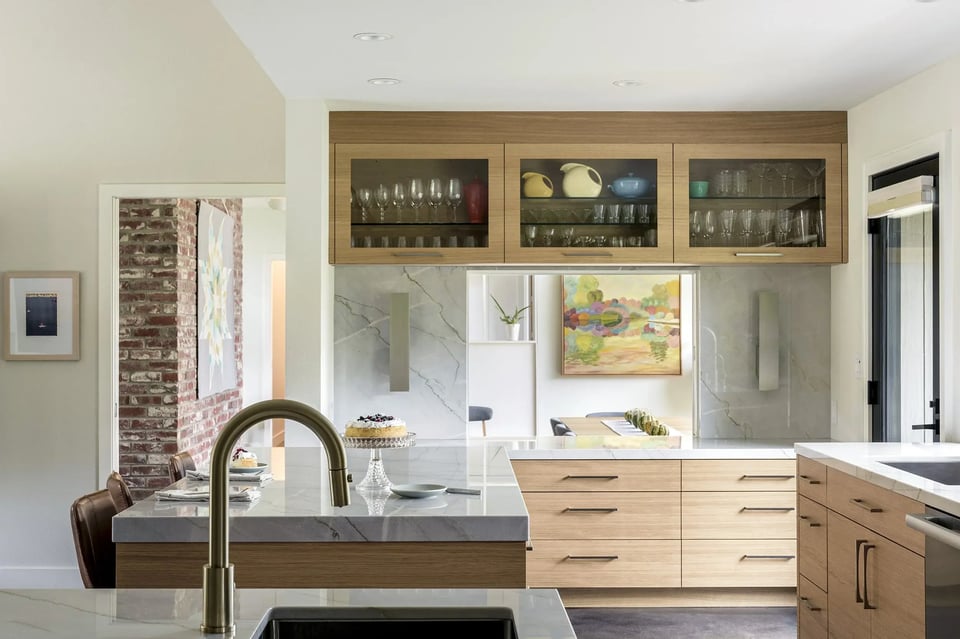
Modern kitchen with wood cabinets, glass uppers, and marble backsplash in Sacramento by MAK Design + Build

Remodeling in Sacramento and Davis: Does Location Affect Timing?

Location can affect timing, but usually not on its own.

The city itself is only one part of the picture. In many cases, the bigger factors are the home, the site, and the level of change involved. Older homes, past renovations, hidden conditions, access constraints, and local permitting requirements can all affect timing in meaningful ways.

A project in Sacramento is not automatically faster or slower than one in Davis. More often, the timeline is shaped by what the home requires and how complex the work becomes once the process is underway.

If you're wondering whether we work in your area, check out our service area.

Common Reasons Remodel Timelines Shift

Even with careful planning, some remodels ask for more time as the work becomes more fully understood. Common reasons include:

  • Hidden conditions that appear once walls, floors, or ceilings are opened
  • Structural changes that affect the bones of the home
  • Layout revisions involving plumbing, electrical, or how rooms connect
  • Permit review or city feedback that adds another layer of coordination
  • Custom cabinetry, tile, fixtures, or specialty materials with longer lead times
  • Multiple spaces being remodeled at once, each with its own sequence and decisions
  • Design details that deserve more consideration before they are built

A shifting timeline does not always mean something has gone wrong. Sometimes it means the home is asking for a more thoughtful answer. Taking that time helps protect the investment, preserve the integrity of the design, and create a finished space that feels deeply considered.

 For a clearer sense of what these projects typically cost, explore our detailed cost guide.

Start With a Conversation About the Home

If you are considering a remodel in Sacramento or Davis, an early conversation can help bring the project into clearer focus. It can begin to clarify the scope of the work, the kind of timeline it may involve, and what the home itself may ask of the process. Thoughtful remodeling usually starts with a better understanding of what is not working, what could feel better, and what it will take to make those changes well.  Contact us to talk about your ideas.
One of the first questions that comes up in a remodel conversation is timing. Usually, when homeowners ask how long a design-build remodel takes, they are asking about more than the construction itself. They want to understand the shape of the full process, from design and planning to permitting and the work on site, and what kind of timeline makes sense for the home they have in mind.

A kitchen, bathroom, primary suite, ADU, outdoor structure, or whole-home remodel can each unfold differently depending on the house, the scope of work, and how much change is being asked of the space. That is especially true in Davis and Sacramento, where older homes often bring their own quirks, constraints, and opportunities. In the sections below, we’ll look at timelines for the kinds of projects we see most often, what tends to shape those timelines, and what homeowners can expect along the way.

Table of Contents

What Affects the Timeline of a Design-Build Remodel?

A remodel is not simply measured by the weeks of construction. It is shaped by the depth of the vision, the complexity of the home, and the care required to make each decision well. Mak Design + Build uses every step of the journey to bring your vision to life.

The Scope of the Transformation

One of the biggest timeline factors is how much change the project asks of the home. A remodel that honors the existing layout will move differently than one that reimagines how rooms connect, relocates plumbing, opens walls, or introduces structural work.

The more a project transforms the way a home lives, the more time it deserves in design, planning, coordination, and construction.

What the Home Reveals

In Davis and Sacramento, many homes carry decades of history. Some of that history is visible. Some is discovered only when walls are opened, and the deeper story of the house begins to emerge.

Older electrical systems, aging plumbing, framing conditions, or past renovation work can all influence the path forward. A thoughtful remodel makes room for these discoveries, responding with care rather than rushing past what the home needs.

The Decisions That Make It Personal

Selections also shape the rhythm of a project. Custom cabinetry, specialty materials, fixtures, finishes, and design details all take time to coordinate, especially when the goal is a home that feels deeply personal rather than simply updated.

The planning phase of our design-build process is where many of the most important decisions are made. When those choices are handled with intention, the build phase can move with greater clarity and confidence.

The Type of Project Matters

A focused bathroom remodel will naturally follow a different timeline than an ADU, a whole-home renovation, or a project that reshapes several connected spaces at once. Each has its own pace, its own sequence, and its own level of coordination.

The goal is not to move as quickly as possible. It is to move thoughtfully, so the finished home feels considered, functional, beautiful, and truly yours.

Typical Timeline by Project Type

Every remodel has its own rhythm. A thoughtful design-build timeline is not only about how long construction takes, but how much care is needed to understand the home, shape the design, make selections, secure permits, and build with precision. The estimates below are typical ranges for design-build remodels in Davis and Sacramento, but the final timeline depends on scope, permitting, existing conditions, material lead times, and the level of transformation involved.

Kitchen Remodel Timeline

Typical Timeline: 6 to 10 months total
Construction: Often 10 to 16 weeks

A more focused kitchen remodel that keeps the general layout intact may move more quickly. A kitchen that changes circulation, opens to adjoining rooms, relocates plumbing, or includes custom cabinetry and specialty materials will usually require more time in both design and construction.

Timeline factors often include:

  • Layout changes and wall modifications
  • Custom cabinetry and appliance lead times
  • Lighting, plumbing, and electrical updates
  • Connections to dining, living, or outdoor spaces
  • Finish selections that require careful coordination

Bathroom Remodel Timeline

Typical Timeline: 4 to 7 months total
Construction: Often 6 to 10 weeks

Bathrooms may be smaller rooms, but they ask for a high level of precision. Behind the finished tile and fixtures are layers of waterproofing, plumbing, electrical work, ventilation, and careful sequencing.

Timeline factors often include:

  • Tile complexity and waterproofing
  • Plumbing updates or fixture relocation
  • Older framing or hidden conditions
  • Custom vanities, mirrors, lighting, and glass
  • The level of finish and detailing desired

Primary Suite Remodel Timeline

Typical Timeline: 6 to 10 months total
Construction: Often 12 to 20 weeks

Because these projects usually touch multiple functions at once, they need time to become cohesive.  They may involve the bedroom, bathroom, closets, storage, lighting, circulation, and the quieter emotional details that make the space feel restorative. 

Timeline factors often include:

  • Bathroom expansion or reconfiguration
  • Closet and storage planning
  • Bedroom layout, lighting, and privacy
  • Structural, plumbing, or electrical changes
  • Custom finishes that create a more personal experience

ADU Timeline

Typical Timeline: 10 to 18+ months total
Construction: Often 5 to 9 months

An ADU is more like a small home than a simple remodel. It carries its own design, permitting, utility, site, and construction considerations.

The front end can feel longer because so much must be coordinated before building begins. That patience matters. It is what allows the finished space to feel complete, independent, and thoughtfully connected to the property.

Timeline factors often include:

  • City review and permitting
  • Utility connections and site access
  • Foundation, framing, and full building systems
  • Kitchen, bath, laundry, and mechanical planning
  • Privacy, parking, landscape, and relationship to the main home

Outdoor Structure Timeline

Typical Timeline: 4 to 9 months total
Construction: Often 6 to 16 weeks 

Outdoor structures and exterior projects can range from elegant, contained additions to more complex transformations that reshape how a home lives with its site.

Timeline factors often include:

  • Site work, access, and drainage
  • Structural design and foundations
  • Electrical, lighting, plumbing, or gas lines
  • Custom detailing and exterior finishes
  • How closely the structure connects to the home

Whole-House Remodel Timeline

Typical Timeline: 12 to 24+ months total
Construction: Often 6 to 12+ months

A whole-house remodel is the most layered kind of transformation. It asks bigger questions: how the home supports family life, how rooms relate to one another, where light moves, where storage is needed, and what the house wants to become.

Because these projects often touch kitchens, bathrooms, bedrooms, circulation, systems, structure, and finishes, they require a longer and more deliberate process. The time invested upfront helps create a home that feels unified rather than pieced together.

Timeline factors often include:

  • Multiple rooms and building systems
  • Structural changes or additions
  • Phased construction planning
  • Permit complexity
  • Extensive selections and custom details
  • Whether the homeowners remain in the home during construction

For more ideas and real-world inspiration, take a look at how these types of projects come together in our remodeling portfolio.

Why the Full Timeline is More Than Just Construction

When people ask how long a remodel will take, they often picture the construction phase: walls opening, materials arriving, rooms taking shape.

But the work that happens before construction is what makes the entire process smoother.

Design development, budgeting, selections, permitting, and planning all create clarity before anyone begins work on site. That time up front helps reduce surprises, rushed decisions, change orders, and costly delays later.

A remodel that moves too quickly into construction can feel efficient at first, but unresolved details often surface at the most expensive moments. A thoughtful design-build process slows down where it matters, so construction can move with greater confidence.

Modern kitchen with wood cabinets, glass uppers, and marble backsplash in Sacramento by MAK Design + Build

Remodeling in Sacramento and Davis: Does Location Affect Timing?

Location can affect timing, but usually not on its own.

The city itself is only one part of the picture. In many cases, the bigger factors are the home, the site, and the level of change involved. Older homes, past renovations, hidden conditions, access constraints, and local permitting requirements can all affect timing in meaningful ways.

A project in Sacramento is not automatically faster or slower than one in Davis. More often, the timeline is shaped by what the home requires and how complex the work becomes once the process is underway.

If you're wondering whether we work in your area, check out our service area.

Common Reasons Remodel Timelines Shift

Even with careful planning, some remodels ask for more time as the work becomes more fully understood. Common reasons include:

  • Hidden conditions that appear once walls, floors, or ceilings are opened
  • Structural changes that affect the bones of the home
  • Layout revisions involving plumbing, electrical, or how rooms connect
  • Permit review or city feedback that adds another layer of coordination
  • Custom cabinetry, tile, fixtures, or specialty materials with longer lead times
  • Multiple spaces being remodeled at once, each with its own sequence and decisions
  • Design details that deserve more consideration before they are built

A shifting timeline does not always mean something has gone wrong. Sometimes it means the home is asking for a more thoughtful answer. Taking that time helps protect the investment, preserve the integrity of the design, and create a finished space that feels deeply considered.

 For a clearer sense of what these projects typically cost, explore our detailed cost guide.

Start With a Conversation About the Home

If you are considering a remodel in Sacramento or Davis, an early conversation can help bring the project into clearer focus. It can begin to clarify the scope of the work, the kind of timeline it may involve, and what the home itself may ask of the process. Thoughtful remodeling usually starts with a better understanding of what is not working, what could feel better, and what it will take to make those changes well.  Contact us to talk about your ideas.


Leave a Reply